Who this fits
Fleets with 10–200 vehicles in logistics, delivery, service, and regional transport that want practical savings without new hardware or vehicle replacement.
A program for fleet managers who want a simple, low-cost way to improve fuel performance.
Heavy-duty trucks burn 0.8 gallons per hour idling. This system stops that waste.
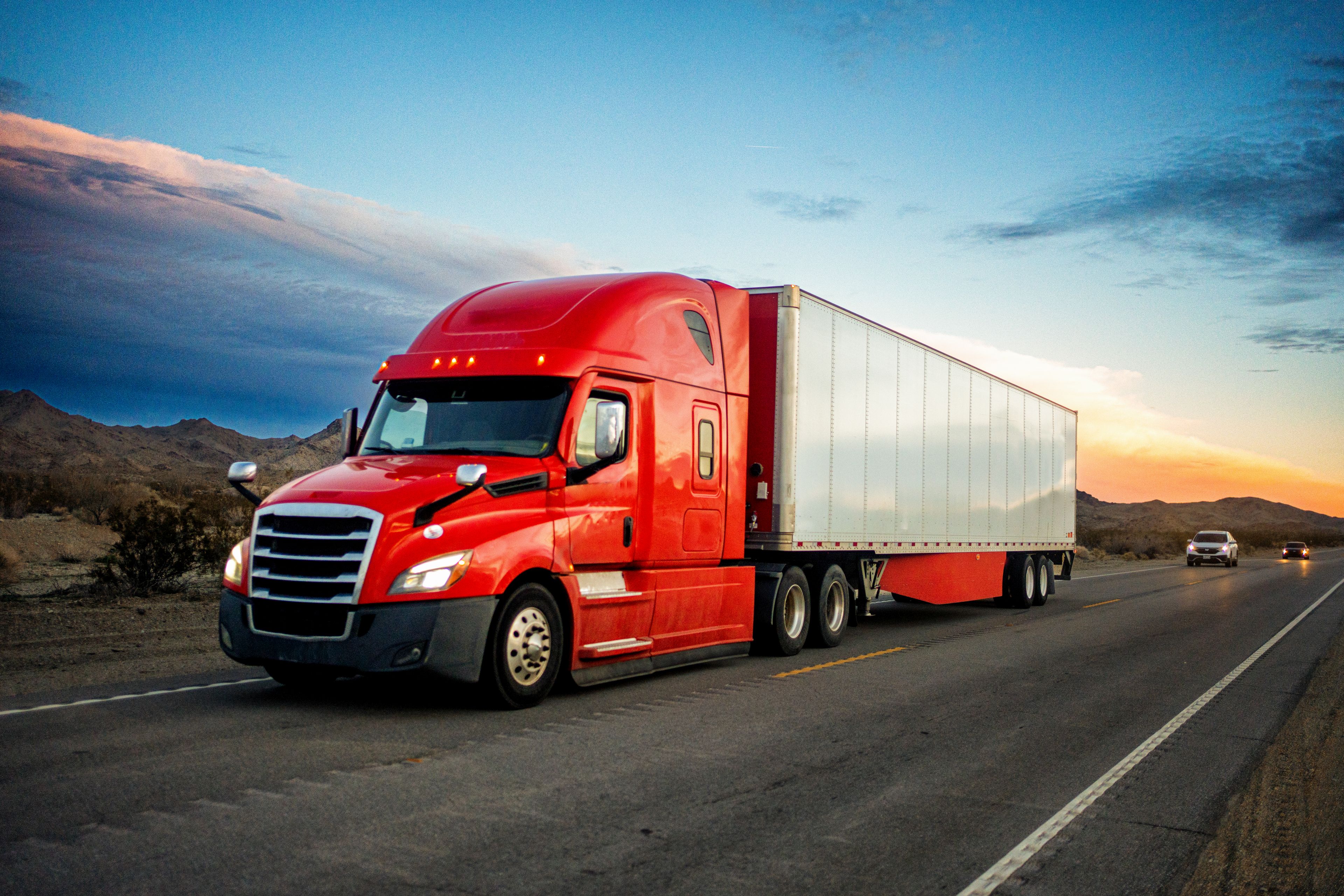
If reducing fuel costs is a priority for your fleet, the next step is simple: request a short fuel-savings estimate. We will outline where savings usually come from, what the approach looks like, and whether it seems worth exploring for your fleet.
Fleets with 10–200 vehicles in logistics, delivery, service, and regional transport that want practical savings without new hardware or vehicle replacement.
A short estimate based on your fleet size and fuel costs, plus a clear view of where driver behaviour improvements can reduce waste.
Send a few basic details through the form below, and we will come back with a simple, no-obligation view of potential savings.
Many fleets already track fuel costs, but avoidable losses still happen every day through driver behaviour.
Idle engines still burn fuel and increase operating cost.
Harsh acceleration and braking increase fuel use and reduce efficiency.
Late braking and unstable speed control waste fuel on the road.
Without a simple system, fuel-saving habits are hard to maintain.
20 Percent Fuel helps fleet managers introduce eco-driving in a practical and structured way.
Easy to explain, easy to start, and focused on daily driving habits.
No expensive hardware, new vehicles, or complex software required.
Suitable for small and mid-sized fleets that want structured improvement.
20 Percent Fuel gives fleet managers a practical system for improving fuel efficiency through better driving habits, clearer follow-through, and simple performance tracking.
A structured main toolkit that helps managers launch the program, explain it clearly, and keep implementation practical from baseline to review.
Clear driver-facing materials focused on smoother acceleration, steady speed, anticipation, reduced idling, and other fuel-saving habits that can be applied immediately.
Simple tools to establish a baseline, monitor fuel use over time, compare similar vehicles fairly, identify waste patterns, and verify improvement.
A practical structure for manager review, driver feedback, and regular follow-up so eco-driving becomes part of day-to-day fleet management rather than a one-time message.
Positive reinforcement materials designed to support engagement, including recognition ideas and EcoChampion-style motivation to help maintain results over time.
The Professional Toolkit adds printable templates, driver materials, a driver quiz and answer key, and extra ready-to-use rollout tools for faster implementation.
The biggest fear of any fleet manager is standing in front of the drivers and hearing, "This is just more micromanagement." That's why the 20 Percent Fuel Toolkit includes a word-for-word 30 minute kickoff script that makes drivers feel supported, not blamed.
Included in all toolkit packages.
Introduce eco-driving as a practical system, not just a one-time training topic.
Review current driving habits and identify avoidable fuel waste.
Introduce drivers to simple and practical eco-driving methods.
Monitor changes in fuel use with a clear manager-friendly system.
Reinforce the right habits and build better driving discipline.
The simplest way to improve cost control without replacing vehicles or adding complicated systems.
Reduce avoidable fuel waste through smoother driving habits.
Help drivers understand how daily behaviour affects fleet costs.
Create a clearer standard for more consistent driving behaviour.
The 20 Percent Fuel framework was built on methods that have already delivered measurable results in real fleet operations. Published case studies show that structured eco-driving programs can improve fuel performance, with several fleet programs reporting savings above 10% when training, feedback, telematics, and manager follow-up are applied together.
The U.S. Department of Energy’s Alternative Fuels Data Center says PNM’s system, used to monitor fleet performance, track driver behaviour, and inform driver training, improved the fleet’s average fuel economy by 15%. The same case study says PNM had about 700 vehicles traveling 5 million miles annually.
US DOT / FMCSA heavy-truck evidence
A U.S. Federal Motor Carrier Safety Administration brief says driver behaviour is the largest single contributor to fuel
efficiency, and that there can be as much as a 35% difference in fuel consumption between a good driver and a poor driver.
The study involved a 10-month field evaluation in 46 Class 8 trucks, combined with staged driver interventions
like feedback, coaching, and rewards.
A government-fleet report highlighted by NREL points to the City of Seattle case, where Philip Saunders said telematics integration helped save $2 million in fuel.
U.S. Department of Energy
The U.S. Department of Energy says driver incentives and training, combined with broader fuel-management strategies,
can reduce fleet fuel spending. Separately, a U.S. DOT research summary
on eco-driving says evidence from Europe, Asia, and North America suggests truck
eco-driving programs can save fuel in the 5% to 15% range.
This approach has also delivered results outside the U.S. In Ireland, a government-backed fleet pilot covering 12 companies, 326 vehicles, and 371 drivers reported an 11% reduction in energy consumption after combining telematics with eco-driving training and ongoing measurement.
Tesco.com fleet (UK)
A UK government evidence review reported that Tesco.com achieved about
12% fuel savings after introducing telematics with eco-driving training across a fleet
of around 2,200 vans covering roughly
60 million miles per year.
FORS Gold case studies — UK fleets
A FORS document reviewing 138 Gold case studies reported an
average 14% improvement in mpg among fleets that submitted
fuel-use results.
These published fleet results are not claims about the 20 Percent Fuel product itself. They are evidence that the core methods behind the framework work in real commercial fleets. 20 Percent Fuel was designed to turn those proven principles into a simpler, manager-friendly implementation system for fleets that want to pursue fuel savings in the 10–20% range without building the process from scratch.
Results vary by fleet size, vehicle type, routes, traffic conditions, driver habits, and implementation quality.
The 20 Percent Fuel system is designed for real-world fleet operations — practical to use, simple to implement, and focused on the everyday habits that influence fuel use most.
The system works with the vehicles, drivers, and basic fuel data you already have. No telematics or complex software required.
Most avoidable fuel waste comes from everyday driving habits. This system focuses on practical changes drivers can apply immediately.
Clear structure, short training sessions, and straightforward tracking make it easier to roll out without disrupting daily operations.
Built specifically for fleets that need practical fuel-saving tools without large budgets, specialist software, or dedicated fuel-management teams.
Max Solo
Fuel Cost Reduction Specialist | Helping fleets pursue 10–20% fuel savings
Max Solo is the founder of 20 Percent Fuel, an independent international initiative focused on helping small and mid-sized fleets reduce avoidable fuel expenditure through structured, practical eco-driving implementation.
With more than 30 years of experience in international project management and business consulting, Max brings a disciplined, operations-minded approach to fuel efficiency. 20 Percent Fuel was developed by translating well-established eco-driving principles, published fleet case studies, and practical management tools into a framework that fleet managers can apply in day-to-day operations.
The emphasis is not on theory, expensive technology, or disruptive change programs. It is on giving operators a clear starting point, credible working methods, and usable materials that support better driving habits, stronger follow-through, and measurable fuel performance improvement over time.
LinkedIn:
linkedin.com/in/maxsolo-fuel
Direct email:
max@20percentfuel.com
Independent framework • Consultant-led perspective • Built for real fleet operations
Start with a ready-to-use toolkit, or choose the 90-Day Fleet Fuel Rollout if you want structured implementation support with practical guidance.
A practical entry package for smaller fleets that want to begin improving fuel efficiency quickly with one complete, ready-to-use toolkit.
A more complete package for fleets that want the full toolkit plus printable templates, driver materials, and extra implementation tools.
For fleets that want the Professional Toolkit plus a structured 90-day rollout with implementation support and practical guidance.
The rollout option is designed for fleet managers who want more than a toolkit. It gives you a practical structure for implementation, with support and practical guidance that fits around normal fleet operations.
Define the starting point, set up the tracker, choose the clearest KPIs, and prepare the rollout materials for your fleet.
Use the manager structure, rollout templates, and communication materials to launch the program clearly without creating a heavy admin burden.
Drivers begin applying the guidance while managers use the tracker, review prompts, and reinforcement tools to support follow-through.
Review the results, identify where gains are appearing or getting stuck, and finish the rollout with a practical next-step plan.
The 90-Day Fleet Fuel Rollout gives you the Professional Toolkit plus structured implementation support with practical guidance throughout the rollout period.
A clearer view of pricing, team requirements, time commitment, and measurement helps managers understand exactly what is involved.
Final scope depends on fleet size, site structure, reporting complexity, and implementation requirements.
The rollout is designed to fit around normal fleet operations without creating a heavy admin burden.
No telematics installation is required to get started.
Results vary by fleet type, routes, traffic, vehicle mix, and implementation quality.
The rollout includes practical working materials designed to help managers launch, track, and review progress more consistently.
A simple starting dashboard helps managers see the current position before rollout begins, including fuel spend, mileage, and key baseline indicators.
A practical review sheet used to compare progress against the baseline, identify issues, and highlight the next actions for the fleet team.
A simple internal presentation used to align managers before driver rollout.
A simple internal briefing presentation used to align managers before driver rollout, covering program purpose, driver habits, launch steps, tracking, feedback, and recognition.
Practical answers for fleet managers considering guided rollout support.
The rollout begins with baseline setup and KPI selection, then moves into manager launch, driver rollout, tracking, reinforcement, and a final 90-day review.
No. The rollout can begin with basic fuel and mileage records or fuel-card data. If telematics is already available, it can add useful detail, but it is not required.
Support is provided by email, supported by AI-assisted guidance between review points. This keeps the rollout practical and easy to fit around day-to-day fleet operations.
Results are reviewed against the baseline established in the first two weeks. Depending on the fleet, this may include fuel use, mileage, fuel economy trends, idle indicators, and manager observations.
At the end of the rollout, you receive a structured summary and practical next-step recommendations for what to continue, improve, or expand.
Yes, but larger or multi-site fleets may need a broader scope. Smaller fleets can usually use the standard rollout structure, while larger operations may need a custom rollout plan.
No. This is a done-with-you rollout. You keep control inside your fleet while using the toolkit, templates, guidance, and structured support to make implementation easier and more consistent.
Want a quick overview of the program? Download our short practical guide explaining how fleets can pursue fuel savings in the 10–20% range through better driver behaviour, clearer operating rules, and consistent follow-up.
7-page overview for fleet managers. No signup required.
Explore focused resources for small fleets, service fleets, industry-specific use cases, and fuel-saving implementation topics.
Even experienced drivers develop inefficient habits over time such as unnecessary idling, aggressive acceleration, or inconsistent speed. Eco-driving programs help correct these habits. Published fleet case studies show that structured programs can produce meaningful fuel savings, with several larger fleets reporting results above 10%.
Telematics systems are very useful for tracking fuel consumption and driving behaviour. However, telematics shows the data — it does not automatically change driver habits. The 20 Percent Fuel Toolkit complements telematics by helping drivers adopt more efficient driving practices.
No. The system focuses on improving driver behaviour and operational habits.
Most fleets can establish a baseline in the first 2 weeks and begin seeing measurable improvements within 1–3 months.
Most fleets need about 2–3 hours to get started, then around 15–30 minutes per week. We keep the process structured and lightweight, with templates and review points that fit around normal fleet operations. Typical manager time after setup: 15–30 minutes per week.
Eco-driving training focuses on practical techniques that make driving smoother, safer, and more efficient. Many fleets find that drivers respond positively when they understand how these habits reduce vehicle wear and improve overall efficiency. The toolkit also includes a Motivation and Recognition system, including the Fleet EcoChampion challenge, designed to reward drivers who demonstrate efficient driving habits. This positive approach helps increase engagement and maintain long-term improvements in fuel efficiency.
Pricing depends on the level of support you need, from toolkit-only options to more hands-on implementation support. Please see the package section above or contact us for the best fit for your fleet.
Example only, assuming about $8,000 annual fuel spend per vehicle and a 10–20% reduction:
20 vehicles → $16,000 – $32,000 saved per year
50 vehicles → $40,000 – $80,000 saved per year
100 vehicles → $80,000 – $160,000 saved per year
Send your fleet size and average fuel cost per vehicle, and we’ll estimate your savings potential.